

Mechanical
Mechanical Boiler – Greenhouse Grower
৳ 70,000.00
Key Features:
- Temperature Regulation: Boilers provide consistent heat to maintain the optimal temperature for plant growth. This is especially important in colder climates or during winter months.
- Zone Heating: In larger greenhouses, boilers can be used to create different temperature zones to accommodate various plant species with different heating needs.
A mechanical boiler system is crucial for greenhouse growers, as it helps manage the climate inside the greenhouse by controlling temperature, humidity, and sometimes even CO2 levels. Here’s a breakdown of how mechanical boilers are used in greenhouse operations:
Humidity Control:
- Evaporative Heating: Some boiler systems can be integrated with humidification systems to maintain proper humidity levels, which is vital for preventing plant stress and promoting healthy growth.
Water Heating:
- Nutrient Solution Heating: Boilers can heat water used in nutrient solutions for hydroponic systems, ensuring that plants receive nutrients at the correct temperature.
Energy Efficiency:
- Combined Heat and Power (CHP): Some advanced systems might use CHP technology, where the heat produced by the boiler is also used to generate electricity, making the system more energy-efficient.
Automation:
- Control Systems: Modern boiler systems can be integrated with greenhouse management systems to automate heating based on real-time data from temperature and humidity sensors.
Safety and Maintenance:
- Regular Maintenance: Boilers require regular maintenance to ensure they operate safely and efficiently. This includes checking for leaks, ensuring proper combustion, and maintaining the system components.
Considerations for Greenhouse Growers:
- Size and Capacity: The boiler system needs to be sized appropriately for the greenhouse’s needs, taking into account the size of the space and the specific heating requirements.
- Fuel Type: Boilers can run on various fuels such as natural gas, propane, oil, or even renewable sources like biomass. The choice depends on availability, cost, and environmental considerations.
- Installation: Professional installation is crucial for ensuring the system operates efficiently and safely.
If you’re considering a boiler system for a greenhouse, it’s a good idea to consult with a specialist who can help design and install a system tailored to your specific needs.
Related products
-
Mechanical
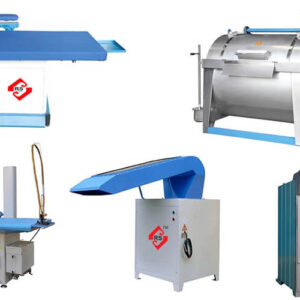
Industrial machinery refers to the large machines
Original price was: ৳ 70,000.00.৳ 69,000.00Current price is: ৳ 69,000.00. Add to cart -
Mechanical
Basic machines like levers, pulleys, and gears
Original price was: ৳ 8,095.00.৳ 7,400.00Current price is: ৳ 7,400.00. Add to cart -
Mechanical
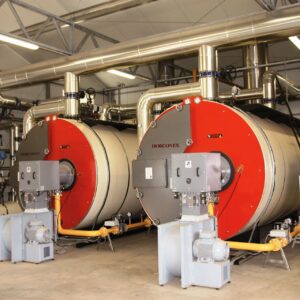
A Greenhouse boiler plays a critical role
Original price was: ৳ 70,000.00.৳ 69,000.00Current price is: ৳ 69,000.00. Add to cart -
Mechanical
IM350+ Paslode Cordless Impulse 1st Fix Strip Framing Nailer – 905900
Original price was: ৳ 2,100.00.৳ 1,800.00Current price is: ৳ 1,800.00. Add to cart

Reviews
There are no reviews yet.