

Mechanical
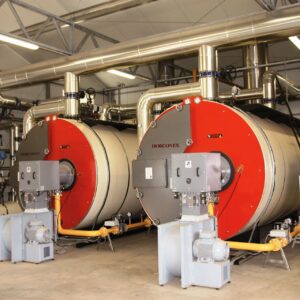
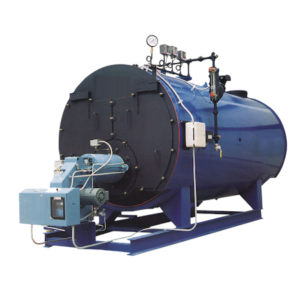
Oil-fired thermal oil boiler is a type of industrial boiler
Original price was: ৳ 90,000.00.৳ 85,000.00Current price is: ৳ 85,000.00.
Key Features of Oil-Fired Thermal Oil Boilers
- Oil Types: Typically use light oil (such as diesel) or heavy oil. The choice depends on the application’s requirements and fuel availability.
- Combustion System: Includes burners designed to efficiently combust the specific type of oil used.
Heat Transfer Fluid:
- Thermal Oil: Also known as heat transfer oil or thermal fluid, it is a specially designed liquid that remains stable at high temperatures.
- Advantages: Provides efficient heat transfer at high temperatures without the need for high pressure, reducing the risk of explosions and leaks compared to steam systems.
Temperature Range:
High-Temperature Operation: Can operate at temperatures up to 300°C (572°F) or higher, depending on the design and specifications of the system.
Design and Construction:
- Construction: Typically constructed from high-quality steel or other materials to withstand high temperatures and pressures.
- Types: Includes vertical or horizontal designs, depending on space and application needs.
4o mini
Related products
-
Mechanical
A Greenhouse boiler plays a critical role
Original price was: ৳ 70,000.00.৳ 69,000.00Current price is: ৳ 69,000.00. Add to cart -
Mechanical
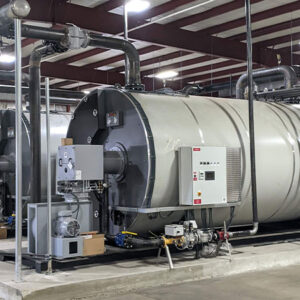
Jacobs Boiler & Mechanical Industries
Original price was: ৳ 92,000.00.৳ 91,000.00Current price is: ৳ 91,000.00. Add to cart -
Mechanical
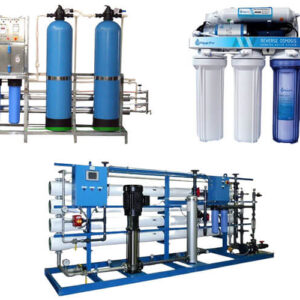
WTP can refer to a few different things depending on the context
Original price was: ৳ 94,000.00.৳ 91,000.00Current price is: ৳ 91,000.00. Add to cart
Reviews
There are no reviews yet.