
Mechanical
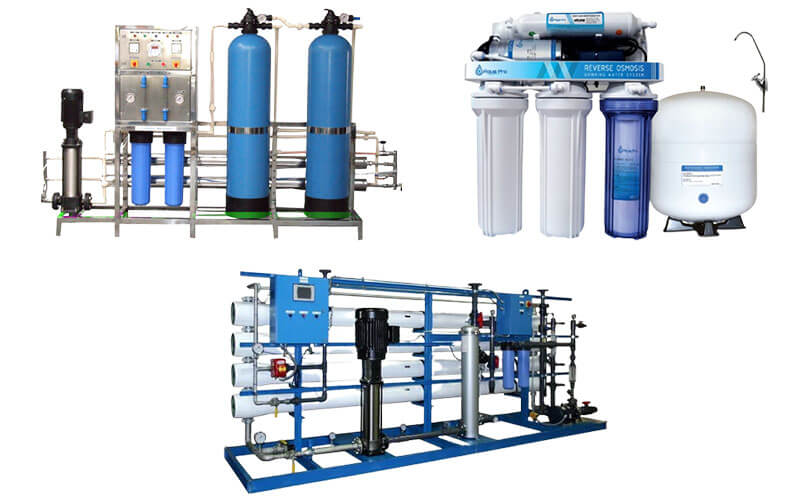
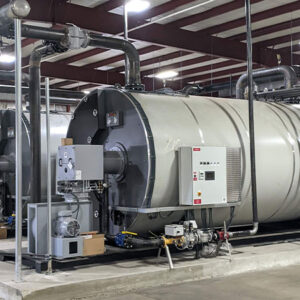
WTP can refer to a few different things depending on the context
Original price was: ৳ 94,000.00.৳ 91,000.00Current price is: ৳ 91,000.00.
Key Features:
- Coagulation and Flocculation: Chemicals are added to the water to bind with particles and form larger clumps (flocs) that can be more easily removed.
- Sedimentation: The water flows into a sedimentation tank where the heavier flocs settle to the bottom, forming a sludge that is removed.
Water Treatment Plant (WTP)
Purpose: A Water Treatment Plant is designed to treat and purify water so that it is safe for human consumption and use. The goal is to remove contaminants and impurities from water sourced from natural bodies such as rivers, lakes, or underground aquifers.
Related products
-
Mechanical
Basic machines like levers, pulleys, and gears
Original price was: ৳ 8,095.00.৳ 7,400.00Current price is: ৳ 7,400.00. Add to cart -
Mechanical
A Greenhouse boiler plays a critical role
Original price was: ৳ 70,000.00.৳ 69,000.00Current price is: ৳ 69,000.00. Add to cart -
Mechanical
Emergency Boiler Rentals I Rasmussen Mechanical Services
Original price was: ৳ 90,000.00.৳ 89,000.00Current price is: ৳ 89,000.00. Add to cart
Reviews
There are no reviews yet.